Cosmetic porcelain crowns are a widely used way to restore teeth and a first choice for many people. The procedure works like “giving your teeth a new coat”, making them even and bright white so you can smile with confidence. Do porcelain crowns hurt? How much do they cost? Do they affect your natural teeth? All of these questions are answered in full in the article below.
What are cosmetic porcelain crowns, and when are they used?
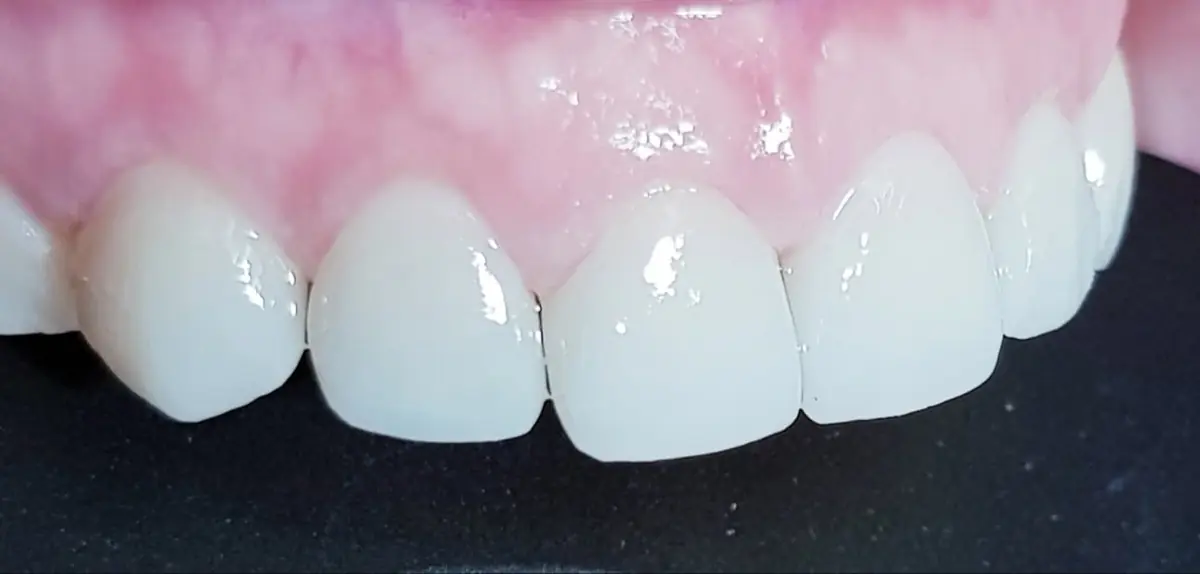
Porcelain crowns (bọc răng sứ in Vietnamese) are a cosmetic dentistry treatment that restores teeth, improves the look of the enamel, corrects the position of misaligned teeth and makes your teeth more even. The method is highly aesthetic, very durable and does not cause any reaction in the body.
A porcelain crown is an artificial cap made of porcelain that is fitted over the natural tooth that needs restoring. The result is a much whiter, brighter and more evenly colored smile. Dental clinics today use many types of porcelain crowns from different manufacturers, and you can choose the option that fits your budget. Here are some types of porcelain crowns to consider:
- All-porcelain crowns: According to experts, all-porcelain crowns score highest on appearance and quality. They have a beautiful, natural color, do not discolor and do not cause allergies.
- Porcelain-fused-to-metal crowns: These crowns have a metal core and are fully covered with porcelain on the outside. They last a fairly long time and do not leave a dark line at the gums the way metal crowns do. They also limit discoloration and help prevent inflammation around the tooth.
- Titanium porcelain crowns: These crowns have an inner framework made of titanium alloy, covered with a layer of porcelain. They last slightly longer than porcelain-fused-to-metal crowns, but in appearance and lifespan they still cannot match all-porcelain crowns.
Cosmetic porcelain crowns are an ideal way to restore teeth in the following cases:
- Teeth that are cracked, broken, chipped or have gaps, making chewing uncomfortable and spoiling your smile.
- Teeth with flaking enamel or severe stains that whitening cannot remove.
- Teeth with an unattractive shape.
- Teeth weakened by severe decay.
- In combination with dental implants (used for permanent tooth loss or bone loss in the tooth socket).
How long do porcelain crowns last?
All-porcelain crowns last longer than standard porcelain-fused-to-metal crowns.
Because porcelain crowns are fixed in place on the dental arch, “how long porcelain crowns last” depends on the quality of each type of crown and on the dentist's technique. Above all, with proper cleaning and care, porcelain crowns last a long time, on average 20 to 25 years or even a lifetime, without yellowing, dark edges or visible shadows.
If the patient does not need root canal treatment and the tooth is still strong, a crowned tooth will be as durable as a natural tooth. However, if the tooth has been injured before or little tooth structure is left, the natural tooth core will not last as long. A weak core means a weak crown, so the crown will not last long either.
So “how many years a porcelain crown lasts” depends on many factors. To make your crowns as strong and long-lasting as possible, choose a reputable dental clinic for the best cosmetic result.
Your individual constitution also affects the “lifespan” of crowns. With the same type of crown, one person's crowns may stay strong and attractive longer than another's.
How can you keep porcelain crowns strong and attractive for as long as possible?
Besides asking “how long porcelain crowns last”, it is also worth learning how to keep your crowns as strong and attractive as possible. Here is how:
- Eat soft foods that are not too chewy or hard: very hard and chewy foods can damage the root of the tooth, make the crown more sensitive and break the bond between the crown and the supporting tooth.
- Avoid very hot or very cold food: right after getting crowns, you may have sensitive teeth that feel weak and tender, so at first eat only warm food until your teeth settle.
- Limit sweets: after getting crowns, cut down on sweet and sugary foods, because most foods high in sugar, such as candy and cakes, can do a lot of harm to both crowns and natural teeth.
- Limit fizzy and colored drinks.
- Do not smoke, because it stains your teeth and quickly makes them dull.
- Clean your teeth twice a day with a soft-bristled toothbrush and fluoride toothpaste, and use dental floss instead of toothpicks to remove plaque.
- Regular dental checkups: come back for a checkup every 3 to 6 months, as advised by your dentist.
In short, “how long porcelain crowns last” depends on the quality of each type of crown, proper care and the dentist's technique. To make your crowns as strong and long-lasting as possible, choose a reputable dental clinic for the best cosmetic result.